Электромонтажные услуги in 2024: what's changed and what works
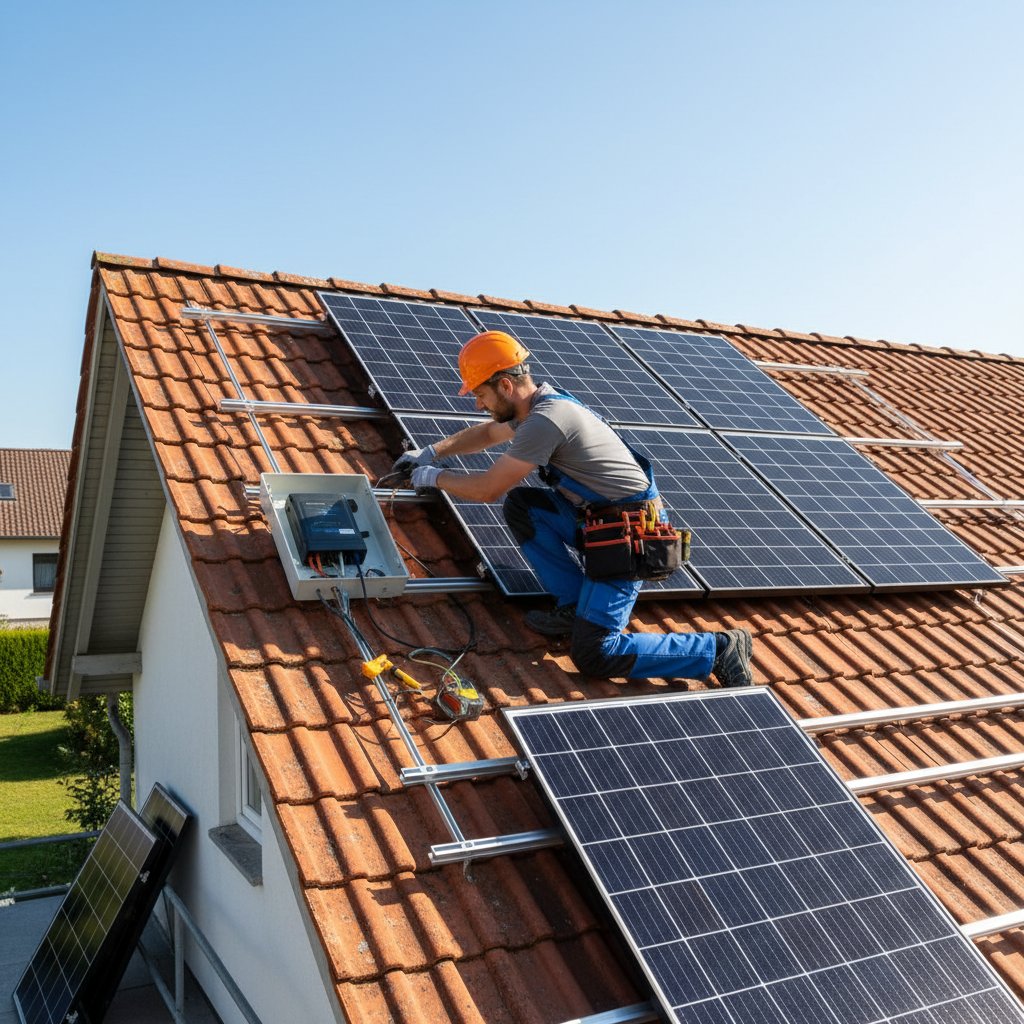
The electrical installation industry has gone through some serious growing pains over the past year. Between updated building codes, supply chain disruptions finally stabilizing, and clients who now expect to monitor their projects via smartphone apps, the game has fundamentally shifted. Here's what actually matters if you're hiring or working in electrical services right now.
1. Smart Home Integration Isn't Optional Anymore
Remember when smart home wiring was this premium add-on that only tech enthusiasts wanted? Those days are dead. In 2024, roughly 68% of new residential projects include some form of smart system integration from day one. We're talking structured cabling for whole-home automation, dedicated circuits for EV chargers, and network infrastructure that can handle 50+ connected devices without breaking a sweat.
The practical impact? Electricians who only know traditional wiring are losing bids to competitors who can speak the language of Zigbee protocols and load management systems. A standard three-bedroom home now typically requires 4-6 additional circuits compared to 2019 specs, with installation times increasing by about 15-20% to accommodate proper cable management and future-proofing.
2. Material Costs Have Stabilized (But They're Not Going Back)
Copper prices finally stopped their rollercoaster ride, settling around 18-22% higher than pre-pandemic levels. The wild monthly swings that made project bidding a nightmare have calmed down. You can actually quote a job now without adding a 30% contingency buffer and hoping for the best.
What hasn't changed: clients are shocked when they see the numbers. A panel upgrade that cost $1,800 in 2019 now runs $2,400-2,600. Smart contractors are getting ahead of sticker shock by breaking down material costs separately and showing three-year price comparisons. Transparency wins projects now, especially when everyone's comparing quotes on their phone while you're still standing in their kitchen.
3. Permit Processes Went Digital (Mostly)
About 73% of municipalities have finally dragged their permit systems into the current century. Digital submissions, online status tracking, and automated approvals for standard work have cut wait times from 3-4 weeks down to 5-10 days in major metro areas.
The catch? Each jurisdiction uses different software, and none of them talk to each other. Contractors working across multiple counties are juggling four different portals with four different requirements. The ones crushing it right now have dedicated admin staff who know exactly which inspector in which town will approve a service upgrade without requiring a site visit for routine work.
4. Energy Efficiency Rebates Are Actually Worth Chasing
Federal and state incentive programs for electrical upgrades hit their stride this year. Panel upgrades for EV charging can qualify for $500-1,000 rebates. Heat pump installations often include electrical work subsidies up to $1,800. LED retrofit projects in commercial spaces can recoup 40-60% of installation costs through utility company programs.
Here's what makes 2024 different: the application processes don't require a law degree anymore. Most programs now offer pre-approval within 48 hours, and payments arrive in 4-6 weeks instead of the 6-month nightmares of previous years. Contractors who build rebate navigation into their service packages are seeing 30-40% higher close rates on bigger projects.
5. Labor Shortage Solutions Are Getting Creative
The apprentice pipeline is still bone-dry, with the industry short roughly 80,000 qualified electricians nationwide. Companies are responding by restructuring how they work rather than just complaining about it. Four-day work weeks are showing up in about 25% of electrical contractors' job postings, with compressed schedules that still hit 40 billable hours.
Apprenticeship programs are also getting overhauled. The traditional four-year timeline is being supplemented with accelerated tracks for career changers who already have construction experience. Some outfits are offering $5,000-8,000 signing bonuses for licensed journeymen, plus covering continuing education costs. The shops that treat training as investment rather than expense are the ones actually staffed right now.
6. Documentation Standards Just Got Serious
Insurance companies and building managers now expect photo documentation of everything. Before, during, and after shots aren't nice-to-haves anymore—they're contractual requirements on 60%+ of commercial jobs. Panel schedules need to be photographed and digitally filed. Wire routing behind walls requires timestamped images before drywall goes up.
This isn't just CYA theater. Proper documentation is cutting callback disputes by around 45% and speeding up insurance claims when things do go wrong. Contractors using dedicated project management apps with built-in photo workflows are saving 2-3 hours per week on administrative headaches that used to eat up Friday afternoons.
The electrical installation landscape isn't just evolving—it's being rebuilt from the ground up. The contractors who are adapting to these shifts aren't necessarily the biggest or oldest companies. They're the ones who realized that 2024 requires different tools, different skills, and a completely different approach to how projects get quoted, executed, and documented. The technical work hasn't changed much, but everything around it has.